

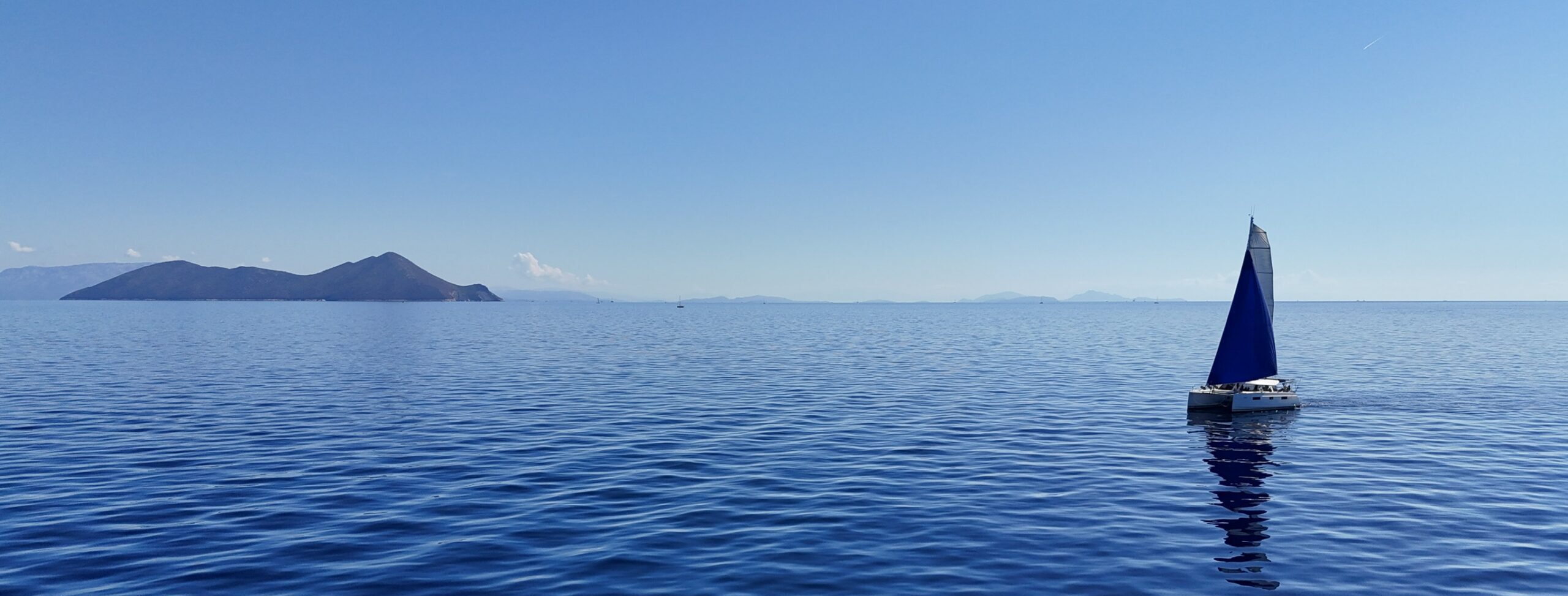
When you dream of a sailing and diving holiday in the Southern Ionian, you likely picture untouched turquoise waters and thriving marine life. As a responsible tour operator, our mission is to show you these wonders while ensuring they stay protected for generations to come.
Lately, social media has heavily popularized two specific spots in our region: the swimming pigs of Atokos, the so-called “Piggy Island”, and the islet of Formicula. While they look alluring on a screen, we choose to bypass them on our itineraries. Here is why leaving these two areas alone is the best decision for the local wildlife, the environment, and your overall holiday experience.
Atokos Island: Keeping Wild Boars Wild
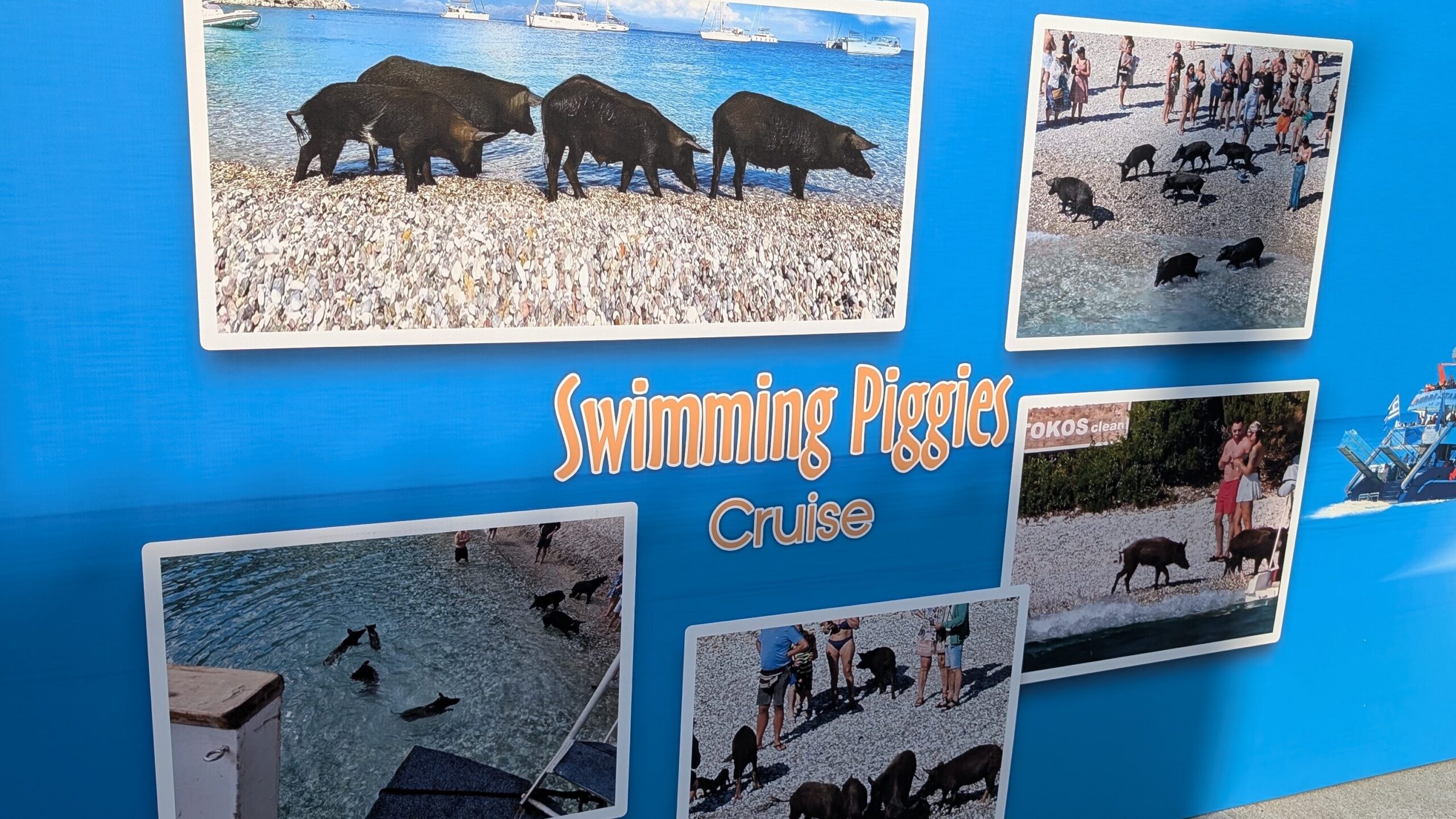
The black pigs of Atokos have become an overnight Instagram sensation. However, the reality behind the camera lens paints a very different story:
- Unnatural Habitat: These are actually wild boars, not native beach dwellers. They were introduced by humans and rely heavily on tourist handouts rather than foraging naturally.
- Ongoing Overcrowding: Unfortunately, there are still many trip operators taking people to Atokos to see and even feed the pigs despite the risks. Because of this, the famous “One House Bay” remains overcrowded and dangerous for both the boars and the people visiting them.
- Safety Concerns: Because they have become accustomed to tourists feeding them, these animals can be highly aggressive. They frequently bite and chase visitors in search of food. The nearest hospital is miles away on the mainland or larger islands.
- Water Contamination: A small, enclosed beach crowded with yachts and animal waste degrades water quality rapidly, completely ruining the pristine swimming experience you expect in Greece.
Formicula Islet: A Strict Sanctuary for the Mediterranean Monk Seal
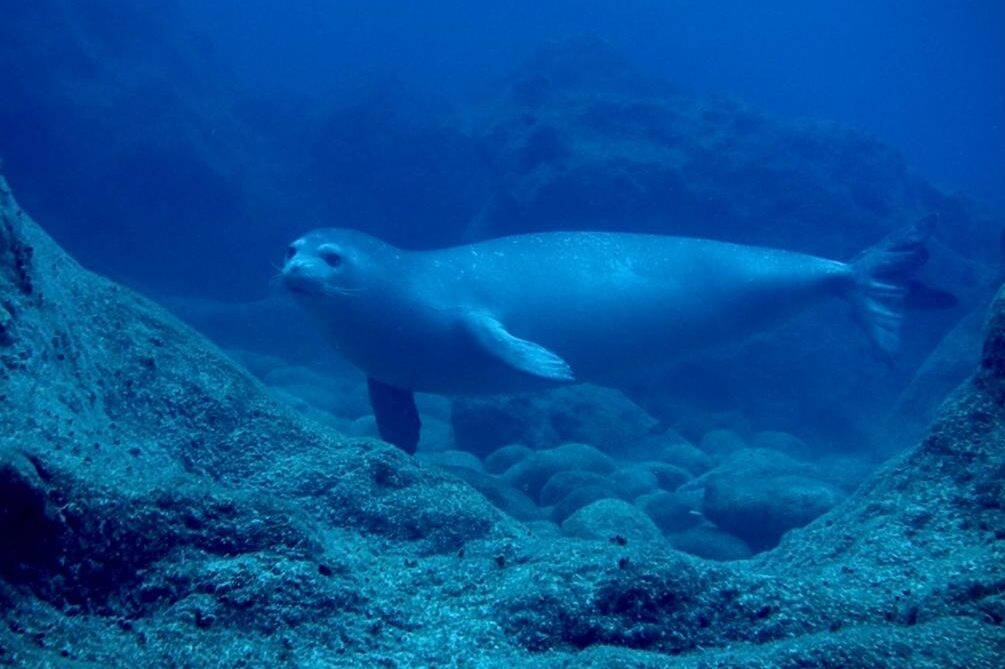
Formicula is a tiny, 8.7-hectare speck of land southeast of Lefkada. It is one of the most critical marine habitats in the Mediterranean, which means it requires our absolute respect:
- The World’s Rarest Seal: Formicula is a vital breeding, pupping, and resting sanctuary for the Mediterranean Monk Seal (Monachus monachus), one of the most endangered mammals on Earth. Human interaction and boat noise cause immense stress to mothers and their pups.
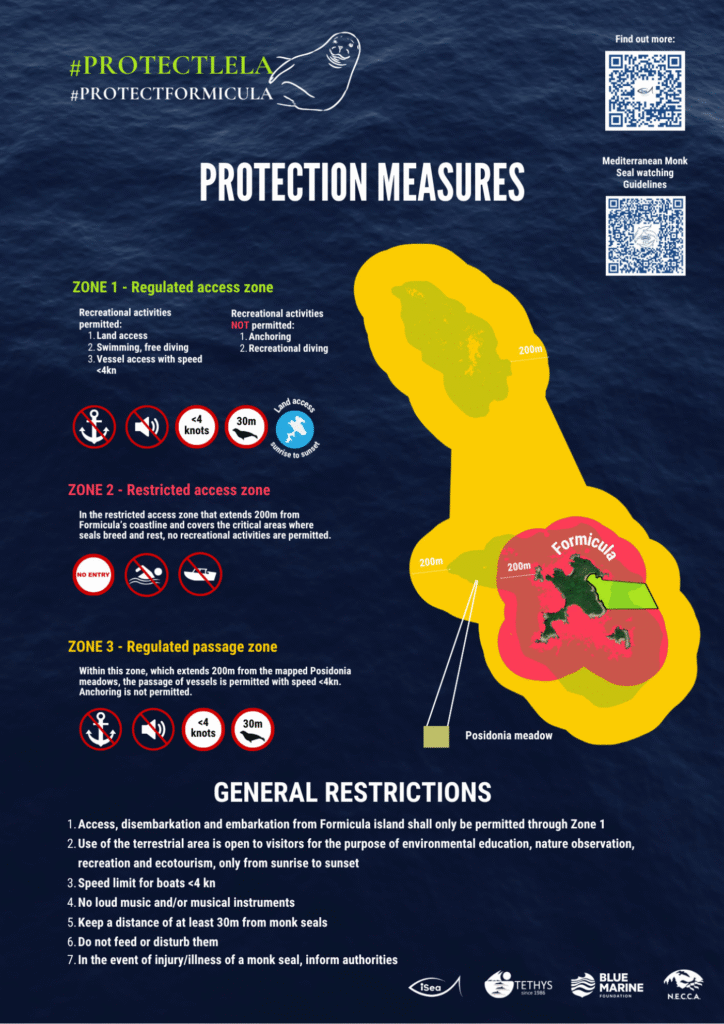
- Legal No-Go Zone: To protect this fragile ecosystem, Greek authorities implemented a strict 200-meter restriction zone around Formicula. Entering or anchoring inside this red zone is a criminal offense.
- Posidonia Meadow Destruction: The waters around Formicula are blanketed in Posidonia oceanica seagrass meadows—the lungs of the Mediterranean. Massive anchoring pressure from heavy yacht tourism heavily fractures and destroys these oxygen-producing habitats.
Where We Go Instead: Choosing Lower-Impact, Responsible Adventure
By choosing to skip these overcrowded and ecologically compromised spots, we open up our itinerary to the true, hidden gems of the Southern Ionian.
We take our guests to spectacular, lesser-known sites and anchorages around Cefalonia, Ithaca, Meganisi, Kastos, and Kalamos. Here, you can focus on exploring beautiful clear waters—all while knowing your presence is leaving minimal trace on the environment.
We believe that true adventure means coexisting with nature as respectfully as possible, rather than disrupting it for a photo opportunity. Thank you for helping us keep the Ionian wild, clean, and beautiful!
More information
The Ionian Dolphin Project has summarised the protection measures around Formicula in the flyer below. Click on the picture to go to their webpage and find out more about their work.