



If you’re planning a sailing or catamaran trip in Greece, knowing the Ionian islands weather is essential for a comfortable and enjoyable holiday. From warm, calm summer days to cooler, quieter months in spring and autumn, the region offers something for every type of traveller. In this guide, we’ll explore month-by-month air and water temperatures, seasonal winds, and even what divers, nature lovers, and food enthusiasts can expect, so you can decide the best time to visit the Ionian Sea for your perfect trip.
January – Quiet Beauty in the Off-Season
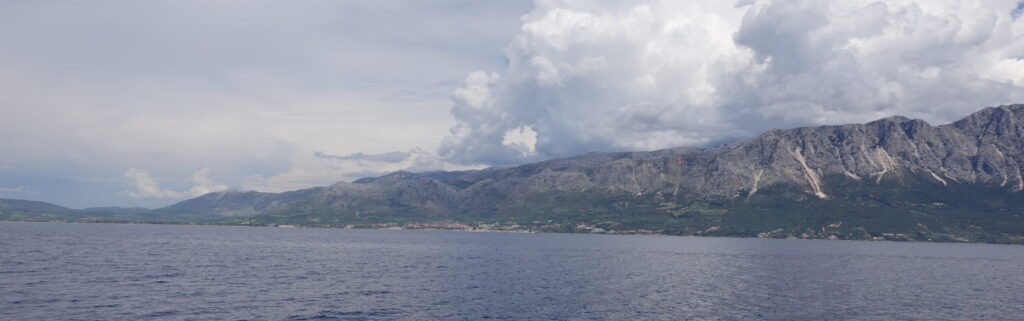
January in the Ionian Sea is calm, cool and deeply peaceful. Villages are quiet, the sea is a striking, clear blue, and hiking trails are beautifully green after winter rain. Air temperatures sit around 10–15°C, and the sea stays close to 15–16°C. It’s not sailing season, but a wonderful time for land-based exploration if you enjoy solitude and lush winter landscapes. Be aware though, that most tavernas will be closed and you share the trails only with locals.
Pros
- Extremely quiet, almost no tourism
- Beautiful green landscapes after winter rain
- Pleasant temperatures for hiking
Cons
- Not suitable for sailing trips
- Many tavernas and shops closed
- Cool water temperatures
Come now if you enjoy quiet coastal villages, nature, and cool-weather exploration.
February – Still Quiet, Slowly Warming
February remains calm and wintry, but almond trees begin to bloom and days grow slightly longer. Air temperatures average 12–16°C, with similar water temperatures. Still not sailing season, but a pleasant month for peaceful island walks and photography. Bring a rain coat though, the Ionian Islands are renowned to be lush and green and this is the time when they’re getting their water intake.
Pros
- Early blossoms and green landscapes
- Very few tourists
- Soft winter light for photography
Cons
- Still too cool for most sea activities
- Limited open restaurants
- Unpredictable rain
Come now if you want mild winter sun and empty islands.
March – Early Spring, Still Unsettled
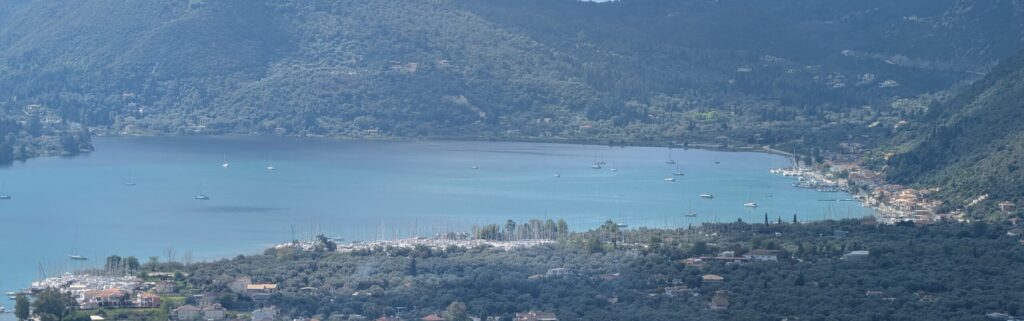
March sits between winter and spring: warm sunny days alternate with windy spells. Air temperatures reach 15–18°C; the sea holds at 15–17°C. Wildflowers appear on hillsides, citrus fruits fill the markets, and the first sailing boats start reappearing, though conditions can still be unpredictable. The villages are filled with the scent of citrus fruits that are hanging from the many trees and, around the orthodox easter, the smell of roasted lamb wavers through the streets as the most important family holiday is celebrated. Some tavernas and bars start their season now.
Pros
- Gorgeous wildflowers and fresh landscapes
- Great for hiking and early-season exploring
- Mild temperatures
Cons
- Not ideal for beach time
- Sailing weather still inconsistent
- Cold water
Come now if you want spring colours and quiet islands without summer heat.
April – Spring Arrives Properly
April brings noticeably warmer days and calmer weather patterns. Air temperatures rise to 18–22°C; water slowly warms to 17–18°C. Orange blossoms scent the air, and bougainvillea begins to brighten the villages. It’s a wonderful month for early-season sailing with fewer crowds. Most restaurants will be already open and happy about the custom. Don’t miss out on the first delicious strawberries!
Pros
- Beautiful spring sailing weather
- Blooming landscapes, clear air
- Quiet harbours and anchorages
Cons
- Sea still cool for long swimming sessions
- Some seasonal businesses still closed
- No direct flights yet from many European countries.
Divers usually wear a 5–7 mm wetsuit with a hood. Dive shops will be busy with setting up pontoons, so book a trip early.
Come now if you want peaceful sailing, spring flowers and pleasant temperatures.
May – Ideal Shoulder Season
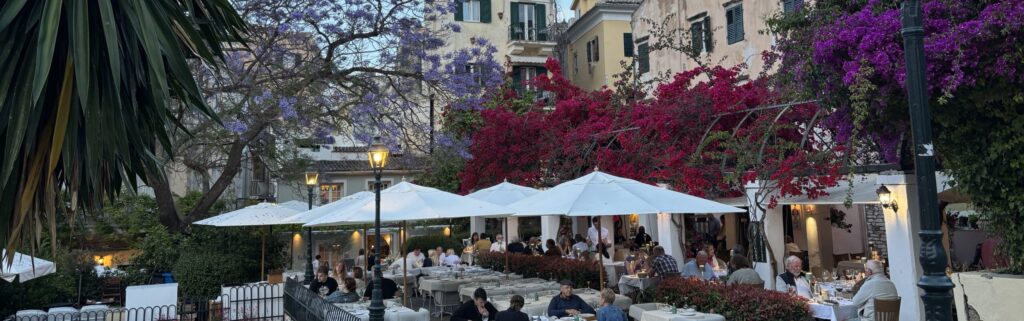
May is one of the best months to visit the Ionian Sea. Air temperatures reach 22–26°C, the sea warms to 19–21°C, days are long, and the weather is reliably sunny. Jasmine blooms, herbs grow wild on the hills, and markets overflow with strawberries and cherries. Harbours are lively but not yet crowded.
Pros
- Wonderful sailing conditions
- Warm, comfortable weather
- Still-quiet anchorages
- Flowers in full bloom
Cons
- Water not yet “summer warm”
- Early-season wasps occasionally appear (but rarely bothersome)
Divers generally choose a 5 mm wetsuit. The damselfish begin raising their babies in shallow bays. Divers may see small clusters of tiny fry closely guarded by their parents, a fascinating example of parental care in the sea.
Come now if you want perfect sailing, moderate warmth and beautiful spring landscapes.
June – Summer Without the Crowds
June is the sweet spot before high season: reliably sunny, warm but not scorching, with the sea at 21–23°C, perfect for swimming, snorkelling, and diving. Bougainvillea is everywhere, peaches and nectarines arrive in markets, and wasps are still minimal. Gentle, predictable winds make sailing smooth, and the calm anchorages invite relaxed afternoons on deck or quiet beach visits.
Pros
- Perfect weather
- Warm water
- Good sailing winds
- Not yet peak crowds
Cons
- Prices start rising
- Popular bays get busier toward late June
Divers usually wear a 3 mm wetsuit or shorty. Octopuses are very active in early summer. Divers often spot them in rocky crevices, with males displaying vibrant colours and females tending eggs.
Come now if you want warm seas, long days and smooth sailing without the July–August rush.
July – Peak Summer, Peak Vibes
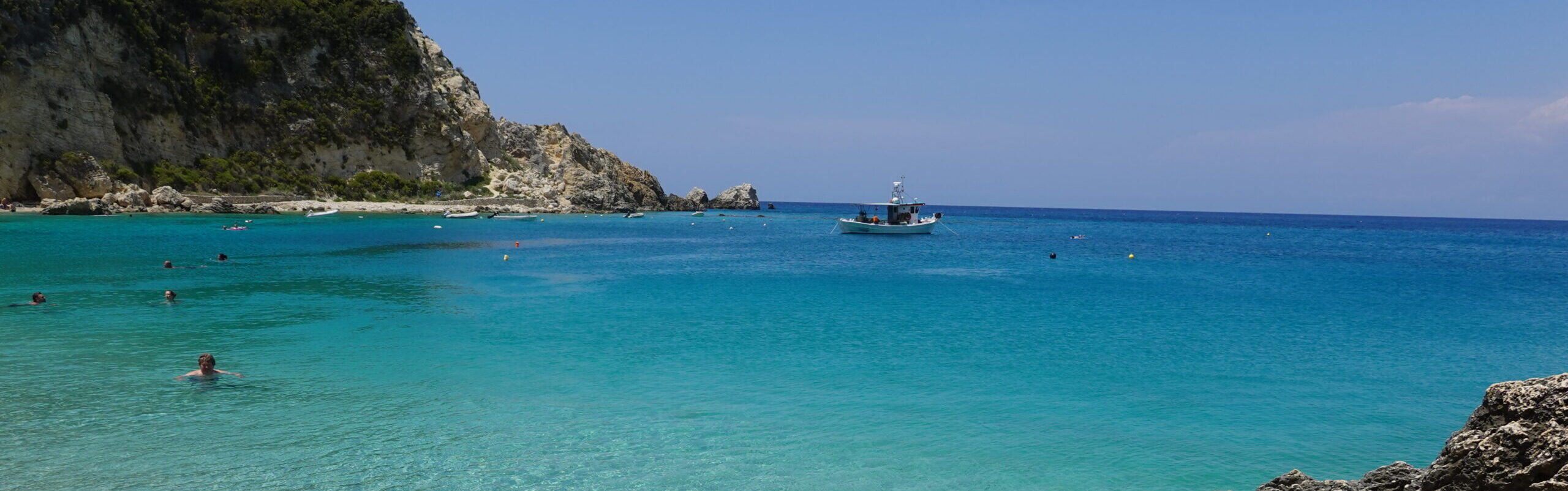
July is hot, lively and full of energy. Days reach 30–34°C, the sea rises to 24–26°C, and the evenings are warm enough for dining outdoors every night. While popular areas get busy, the Ionian is still calmer than other Greek regions. Jumping into the water to cool down starts to be a favourite pastime. Fresh figs arrive in markets, and bougainvillea is at its brightest.
Pros
- Hot, reliable summer weather
- Warm water perfect for swimming
- Fun, lively atmosphere
Cons
- Busy anchorages
- Higher prices
- Some wasps around at meal times (normal for Greece)
Divers typically use a 3 mm shorty or even skinsuit. Large adult groupers (Epinephelus spp.) are commonly seen hunting in the afternoon. You might see them coordinating near rocky walls or sandy bottoms, a spectacular sight for underwater photography.
Come now if you love hot summer days, nightlife, and warm sea temperatures.
August – High Summer & Warmest Water
August is the hottest month with air temperatures of 32–36°C, in hot spells even exceeding the 40°C, and water at 26–28°C. The sailing is smooth, the villages are festive with multiple festivals or concerts throughout the island every weekend, and fruit season peaks with grapes, figs and melons. It’s also the busiest time, especially around mid-August holidays, when both Greek and Italian families seek the relaxation of the Ionian waters.
Pros
- Warmest water of the year
- Hot, consistent weather
- Peak summer atmosphere
Cons
- Busiest month
- Some bays fill early in the day
- Wasps more noticeable (but manageable)
Divers usually wear a 3 mm shorty or no wetsuit. Juvenile Mediterranean rainbow wrasses (Coris julis) are very active in shallow sandy areas. They are colourful, curious, and provide excellent close-up spotting opportunities.
Come now if you want incredibly warm water and a vibrant summer experience.
September – The Favourite of Many Locals
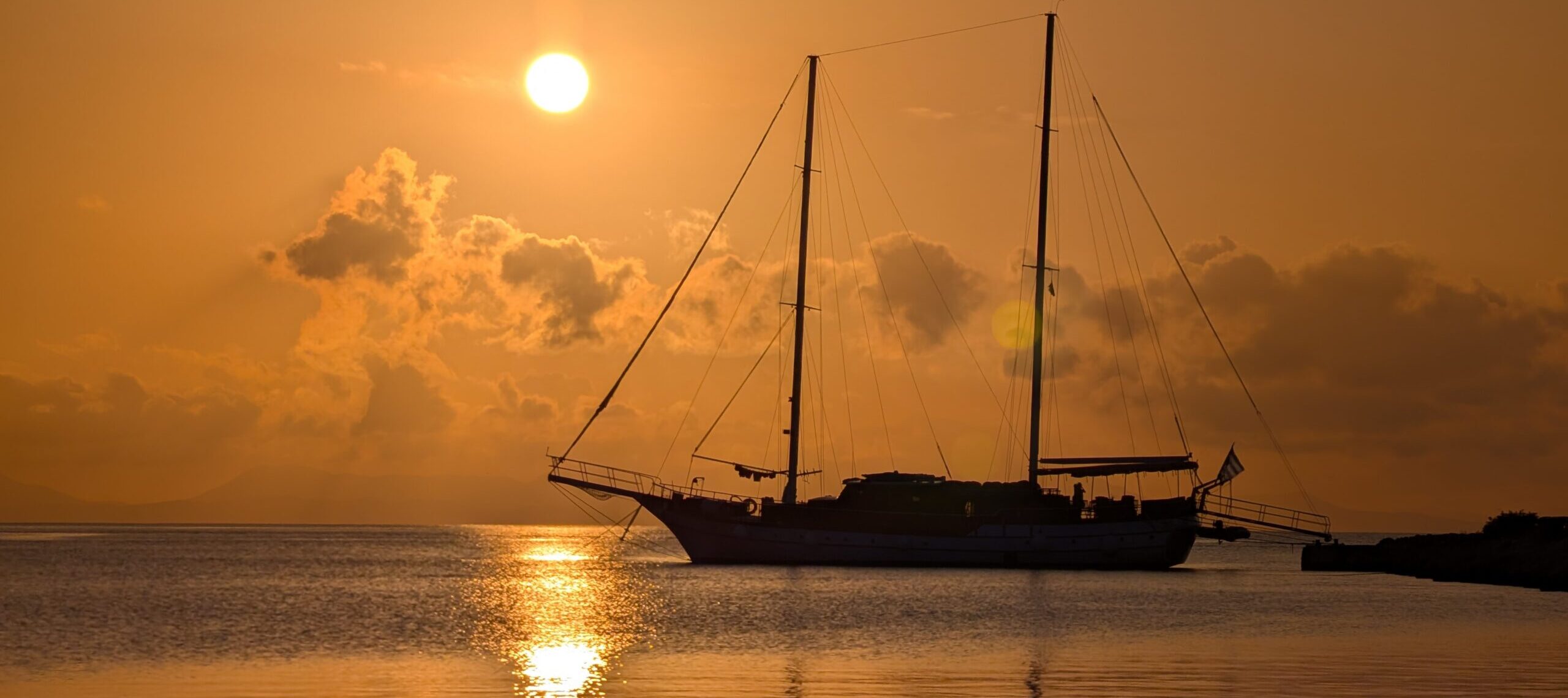
September is widely considered the best month: warm water (25–27°C), comfortable air temperatures (26–30°C), gentler crowds, and stable weather. Markets are rich with late-summer fruit, and sailing conditions remain excellent. Wasps naturally decline toward the end of the month. Cultural activities peak as more and more artists, musicians and locals return for the island festivals and events, bringing music, art and local spirit back to village squares and seaside tavernas.
Pros
- Warm sea
- Pleasant, not-too-hot days
- Fewer crowds
- Excellent sailing conditions
Cons
- Slightly shorter daylight
- Occasional early storms late in the month
Divers usually wear a 3 mm wetsuit or shorty. Gorgonians and other soft corals are at their peak growth after the summer. Divers will see extensive colourful coral “forests” on walls and small reefs, attracting small reef fish.
Come now if you want the perfect balance of warmth, calm, and relaxed atmosphere.
October – Warm Days, Cool Nights
October feels like early summer in northern Europe: air temperatures 22–26°C, water still a lovely 22–24°C. The weather is mostly calm, though occasional rain fronts begin to appear. For sportive sailing this is the best month, but be prepared to wear your foul weather gear as there is a chance for a “Medicane” (a mediterranean hurricane-like storm) coming through. It’s grape harvest season, and quiet villages return. A wonderful month for those who prefer warmth without heat.
Pros
- Warm sea
- Calm, relaxed atmosphere
- Cooler, comfortable days
Cons
- Higher chance of rain later in the month
- Shorter days
- Some businesses start closing
Divers generally choose a 3–5 mm wetsuit. Various seabream species (Diplodus spp.) start their spawning aggregations in October. Divers can see larger groups of fish circling around rocky areas, a unique behavioural display before winter.
Come now if you want warm water, quiet bays and gentle autumn sunshine.
November – Autumn Calm and Cooler Seas
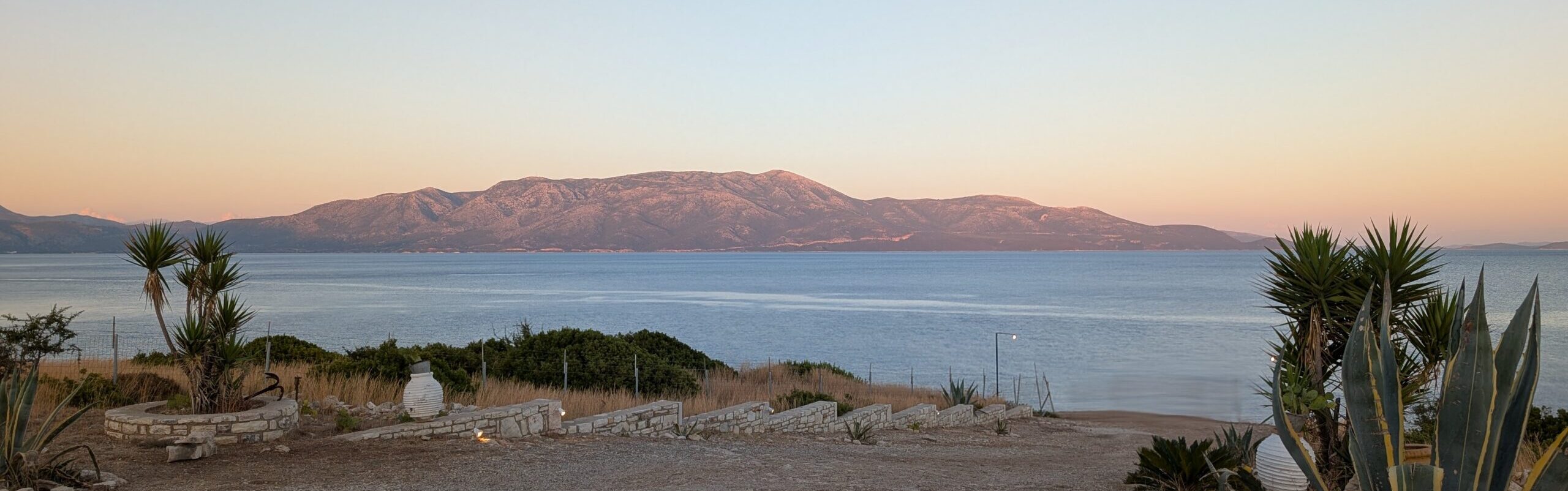
November brings fresh, crisp air at 16–20°C and seawater cooling to 19–20°C. It’s not sailing season anymore, but still beautiful for land-based travel. Olive harvest begins, and the islands are peaceful and authentic.
Pros
- Authentic, local atmosphere
- Great hiking conditions
- Olive harvest everywhere
Cons
- Too cool for long swims
- Some rain expected
- Not sailing season
Divers normally wear a 5–7 mm wetsuit. Dive businesses will be busy with winterizing, a dive trip should be booked early.
Come now if you prefer cooler temperatures, nature, and local life.
December – Quiet and Mild Winter
December is mild compared to northern Europe, with air temperatures of 12–17°C and sea temperatures around 16–17°C. It’s peaceful, green and calm, perfect for hikes and enjoying the Ionian without tourists. Enjoy a holiday spirit with the locals decorating their homes and bakeries preparing Christmas cookies and cakes.
Pros
- Mild winter weather
- Very quiet and local
- Beautiful green landscapes
Cons
- Not suitable for sailing holidays
- Cool, unpredictable weather
- Limited tourism services
Come now if you want a peaceful warm-ish winter escape.
Find Your Ideal Travel Time in the Ionian Sea
Whether you’re dreaming of quiet spring landscapes, vibrant midsummer energy or the golden calm of autumn, understanding the Ionian Sea weather helps you choose the ideal moment for your adventure. Katja sails from April to October, covering the most beautiful months of the year. But it’s also worth keeping in mind that flights to the Ionian, especially to Preveza Airport, are strongly seasonal. Some routes operate only in summer, and early-spring or late-autumn travellers may need to connect via Athens or other European hubs. If you’d like a glimpse of what life on board feels like, take a look at our behind-the-scenes blog about a week on Katja and start planning your own journey.