



We Are Guests – Above and Below the Water
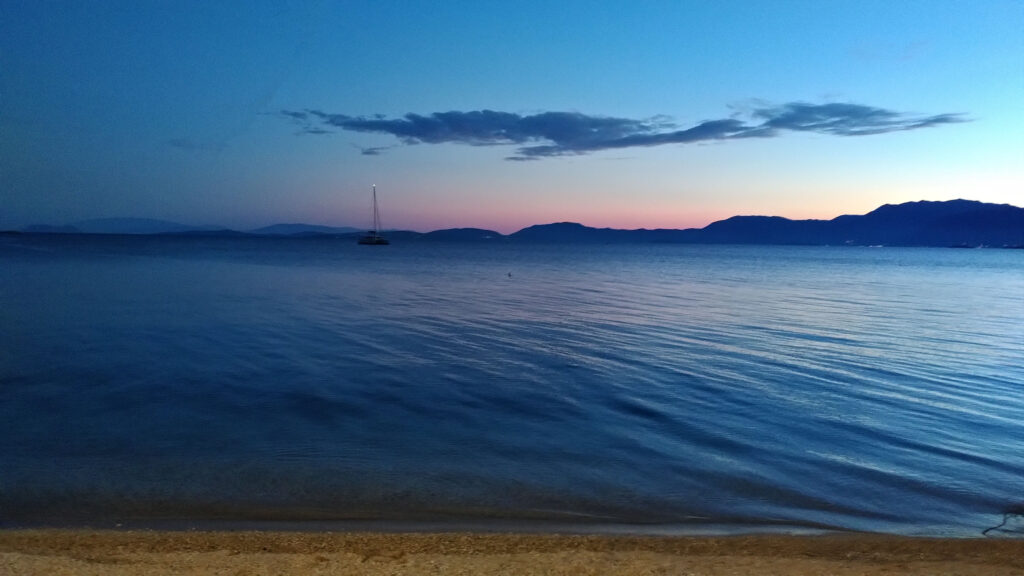
On and in the sea, we are all just guests. The ocean may appear vast and robust, but in many places it is extremely fragile. As sailors and divers, we carry a responsibility to protect it and to preserve ecosystems that can be severely disturbed by our presence. We have consciously chosen to align the rules on our boat with this responsibility and to sail and dive in a sustainable way. Here, we would like to introduce our guidelines and explain the reasoning behind them.
Anchoring Without Damaging the Seabed
For our guests, choosing an anchorage often simply means deciding whether to spend the night close to a harbour or in a quiet, secluded bay. For us, anchoring means carefully selecting areas where the seabed is suitable. Not only does the anchor need to hold safely, we also want to avoid disturbing the most important nursery of the Ionian Sea: the Posidonia seagrass meadows. These meadows provide shelter for numerous fish and mollusc species, and the seagrass itself is extremely sensitive to disturbances of the seabed. Once damaged, Posidonia meadows require decades to recover.
In 2025, Greece took an important step towards protecting Posidonia meadows by allowing the permanent installation of mooring buoys for the first time. These make it possible to secure a boat safely in a bay without impacting the seabed. We actively support this development by using mooring buoys wherever they are available and by contributing to their maintenance.
Leave No Trace Underwater
Whether you are snorkelling calmly at the surface or diving with scuba gear, every contact with corals, sponges, microorganisms, animals, or plants is an intervention. For this reason, we follow the established rules of diving and snorkelling: take only pictures, leave only bubbles.
This includes maintaining good buoyancy control to avoid touching the seabed, never feeding marine animals, and allowing encounters — for example with sea turtles or dolphins — to happen naturally, without pursuing the animals.
Waste and Rubbish
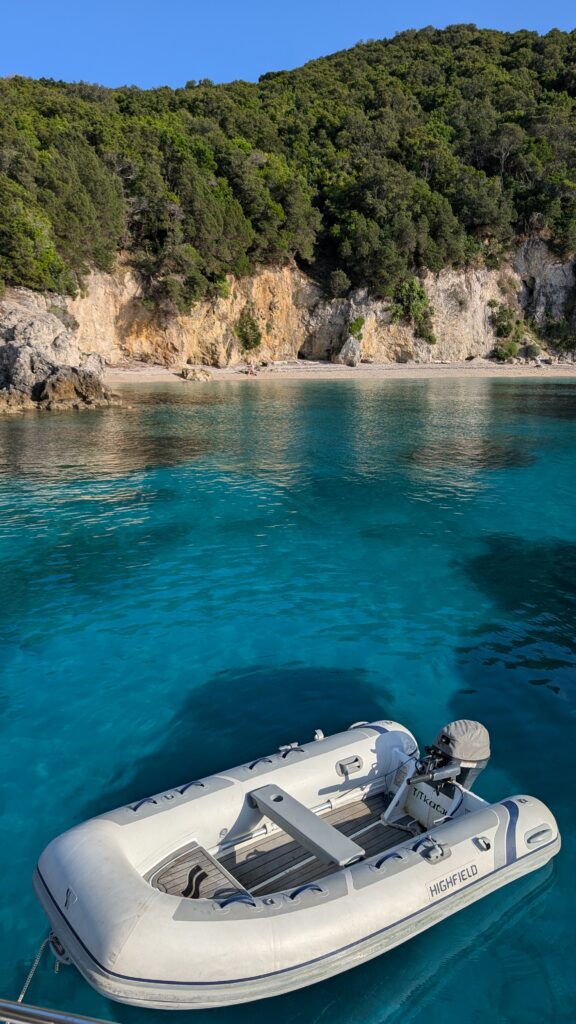
If we are honest, our consumption of single-use plastic water bottles on board is relatively high, as we consistently encourage our guests to drink enough water. For all other drinks and food, however, it is worth paying attention to packaging choices, as metal cans can be recycled far more effectively in Greece than many other materials.
We separate waste on board, nothing goes overboard — not even organic waste — and we do not dispose of rubbish on every island. If an island does not have appropriate waste management facilities, we simply keep our waste on board until we can be sure it will be disposed of properly.
Chemicals on Board
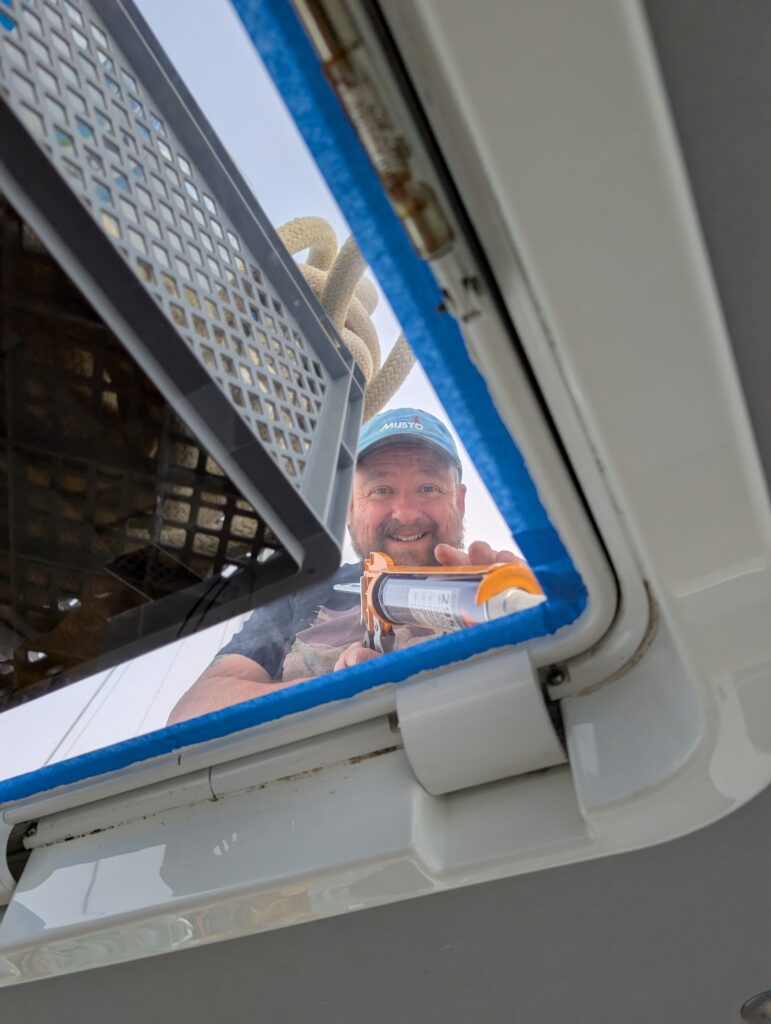
Despite the appealing idea that sailing is an environmentally friendly way of travelling, a modern sailing yacht still contains many substances that can harm the marine ecosystem. This starts with antifouling paints on the hull and extends to lubricants, fuels, and cleaning agents.
Our top priority is always the safety of the boat and the well-being of the crew. However, wherever environmentally friendly alternatives are available, we make a conscious effort to use them. We clean many surfaces with vinegar, baking soda, or other household remedies, request the use of reef-safe sunscreen, and promote a mindful use of freshwater.
Light at Night
While many luxury yachts leave their underwater lights on throughout the night, we deliberately switch them off. Artificial light can significantly disrupt the natural rhythms of marine organisms — an impact that is often underestimated.
Creating Awareness
We inform our guests about all of our guidelines in advance, and our onboard briefing covers the most important points. We are always happy to answer questions about the marine ecosystem and its protection, and we welcome guests who wish to participate in beach clean-ups or support our efforts to protect the environment.
Small Choices, Big Impact
We certainly do not claim to be perfect in our efforts. However, we believe in many small steps in the right direction, because every conscious decision to protect the ocean as a habitat brings us closer to meaningful change.
Sailing and diving can be part of the problem — or part of the solution. Those who travel with us can be confident that they are coming very close to the latter and are sailing and diving sustainably.